League Operations
Youth Sports Doesn’t Break at Check-In. It Breaks When Tuesday’s Roster Is Wrong.
Monday named the coach and the gym. Tuesday is when the clipboard and the roster have to name the same kids.
· Coaches Pick · 11 min read

If you run a youth league, Tuesday night is when the roster either matches the door or it does not. Monday’s schedule named the gym, the time, and the coach. It cannot tell that coach which children are actually on the team tonight. A wrong clipboard is how a registered kid gets turned away and an unregistered kid gets a pinnie.
The Tuesday group text makes this worse when the add lives only there. “Can my neighbor’s kid jump in?” is not a roster change. A Sunday rainout that moved a game to Thursday does not move the players by itself. The team list has to change in the same place the practice already lives.
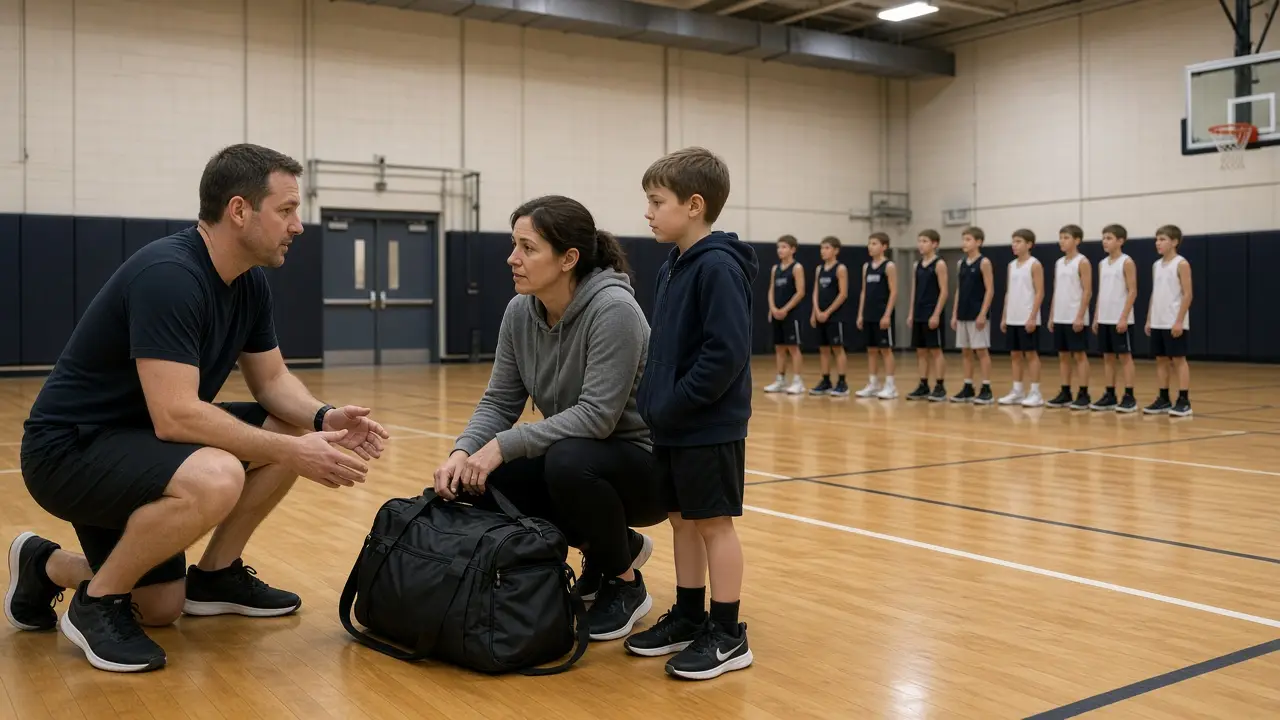
A Dallas soccer practice and a Houston volleyball gym both fail check-in the same way. The coach has last week’s names. The parent has a confirmation from registration. Neither of them has the child who was placed on the team this afternoon. That child is standing in the doorway.
Why does a youth roster break on Tuesday?
It breaks because the week’s first practice is when a paper list, a text thread, and the registration record finally meet, and they are not the same list.
Monday can publish a correct gym and still hand the coach a roster from week one. Late registrations, a move from the waitlist, a sibling who switched teams, and a player who quit after Sunday all pile up before Tuesday. If Atlanta baseball still shows a player who transferred out, the coach will look for a child who is at a different diamond. Publish the list you would check kids in with, not the list that was true at tryouts.
Attendance starts from that list. A no-show is a name that was supposed to be there and was not. It is not a blank. If the roster is wrong, the league cannot tell a real absence from a child who was never assigned. That difference matters the week a parent asks why nobody noticed. Shared fields make it sharper. The team on the next hour should not have to guess which children are yours. A named roster is how a San Diego flag football coach and the team waiting for the same grass stay out of each other’s practice.
What should a Tuesday roster show?
Who is on the team tonight, who was added, and who is out. A team name and a head count are not a roster.
The coach at the door needs names they can read without opening a spreadsheet from August. Put the team, the practice, and the coach on the same line as the players, in the league dashboard. A Boston tennis clinic and a Minneapolis hockey practice both run short on time. They should not spend the first ten minutes reconstructing the group.
- Active players the coach should expect.
- Adds from this week, so a new family is not a surprise at the door.
- Players who are out, so a missing child is not marked absent by mistake.
- The team and the practice this list belongs to, not a season-long dump of every name.
How should a league add a player midweek?
Add them on the roster the day they are accepted, then send that family the practice line. Do not leave the add in a director’s inbox until the next game.
A midweek add needs the team, the next door, and the coach who will recognize them. Chicago basketball and Miami flag football both take players after the first week. The failure is sending the family to a gym the coach does not know they are coming to. Say the practice in the same note that says they are on the team. A welcome packet from registration night will send them to the wrong night.
Waitlists are part of the roster, not a separate rumor. When a spot opens, move one name and stop. Do not invite three families to the same empty pinnie. If the spot is for Thursday’s game and not Tuesday’s practice, say that. A player who is rostered for the game and not cleared for practice tonight should not be at the door guessing. Tell the family the first practice they should attend, not “whenever you can make it.” An open invitation fills a gym the coach did not staff. One add, one team, one next session. If that session is full, the add waits. Do not create a second practice in the parking lot for the children who did not fit.
What should happen when a player misses practice?
Mark the absence on the roster the coach already has. Do not start a second list in a text thread that the director never sees.
One missed Tuesday is not a crisis. A pattern the league cannot see is. If the only record is a coach’s memory, a Seattle soccer director and a Denver hockey director will both find out too late, usually from a parent who thought someone was watching. The coach can note who was there. The league should not need to collect screenshots to know it.
Who should tell the coach the roster changed?
The schedule and the roster should tell them. A director’s private text is a backup, not the system.
Coaches change too. Monday may have named one adult, and Tuesday may be a fill-in. That fill-in does not have the August email. They have whatever is on the list tonight. Los Angeles soccer and Orlando baseball both use volunteer coaches who swap nights. Give the person at the door the current names, not a forward of an old thread. Coaches Pick keeps the roster next to the practice. Pricing stays free for league owners.
A new family also needs a way for the coach to know who is picking the child up without a hallway interview. Put a parent name on the roster the coach can see. Do not make the child recite a phone number at the door. If the pickup person changes, change it where the coach already looks. A Houston volleyball gym and a Dallas soccer field both get dark before every parent has arrived. The list is what lets a fill-in coach release a child to the right adult.
How is a game-day roster different from a practice roster?
A practice roster is who may come tonight. A game-day roster is who is eligible to play. They can differ, and the difference has to be written down.
A player added Tuesday may practice and still be ineligible Saturday if the league has a roster freeze or a form that is not in. Say so on the list. Do not let a coach promise a start the director has not confirmed. A Baltimore lacrosse game and a San Diego flag football Saturday both punish a sideline that learned the freeze from the referee. If Sunday’s game was moved, the players who were on that game stay on it unless you move them. A rainout does not reshuffle teams.
Do siblings on different teams need separate roster lines?
Each child needs their own team line. A household is not a roster, and one practice does not cover two teams.
A parent can have one child on a Phoenix pickleball court and another at Tampa soccer on the same night. Checking in the wrong sibling because the last names match is a Tuesday problem, not a cute one. Put both names on the correct teams. New York basketball and Charlotte basketball teams that share a gym still need two lists when the teams are different. The group text for one team should not be how the other team learns who showed up.
What should a director check before Tuesday night?
The list at the door has to be the list in the dashboard. A correct practice with the wrong kids still looks like a disorganized league.
- Every Tuesday practice has a roster, not only a time and a gym.
- Adds from today are on the team the coach will see.
- Players who left are marked out, not left for the coach to notice.
- A fill-in coach can open the same names the director sees.
- Game eligibility and practice attendance are not the same column by accident.
- A family with two players can tell which child is on which team.
If those things are true, Tuesday check-in is a greeting. A coach can start practice on time because the names were settled before the door opened. If they are not, the league spends the warmup deciding who is allowed to be there, and the children who were already on the list lose those minutes. Brands that want to be at that door can sponsor a game. Directors can request a demo. Coaches Pick stays free for league owners.
Frequently asked questions
What should a Tuesday youth sports roster include?
The player’s name, the team, and whether they are active, added this week, or out. A coach should be able to check kids in from that list without a separate text thread of maybes.
How should a league add a player in the middle of the week?
Put them on the roster the day they are accepted, with the team, the next practice, and the coach. Then message that family the practice line. A welcome email from August is not a Tuesday add.
What should a coach do if a child is not on the roster?
Do not invent a spot at the door. Check the live roster. If the child was added and the list is stale, the director fixes the list. If they were not added, they do not practice with the team until they are.
Is Coaches Pick free for league owners keeping weeknight rosters?
Yes. Coaches Pick is free for league owners. Parents, coaches, and players see the same roster, including a player who was added after Monday’s schedule went out.
Need free youth league management software?
Coaches Pick is free for league owners. Registration, schedules, messaging, and portals for parents, coaches, referees, and kids — built for NFL FLAG and other youth sports programs that are adding teams.