League Operations
Youth Sports Doesn’t Break on Monday’s Schedule. It Breaks in the Tuesday Group Text.
Monday’s schedule was right until a coach texted a different gym. Tuesday is when those two versions meet in the parking lot.
· Coaches Pick · 11 min read
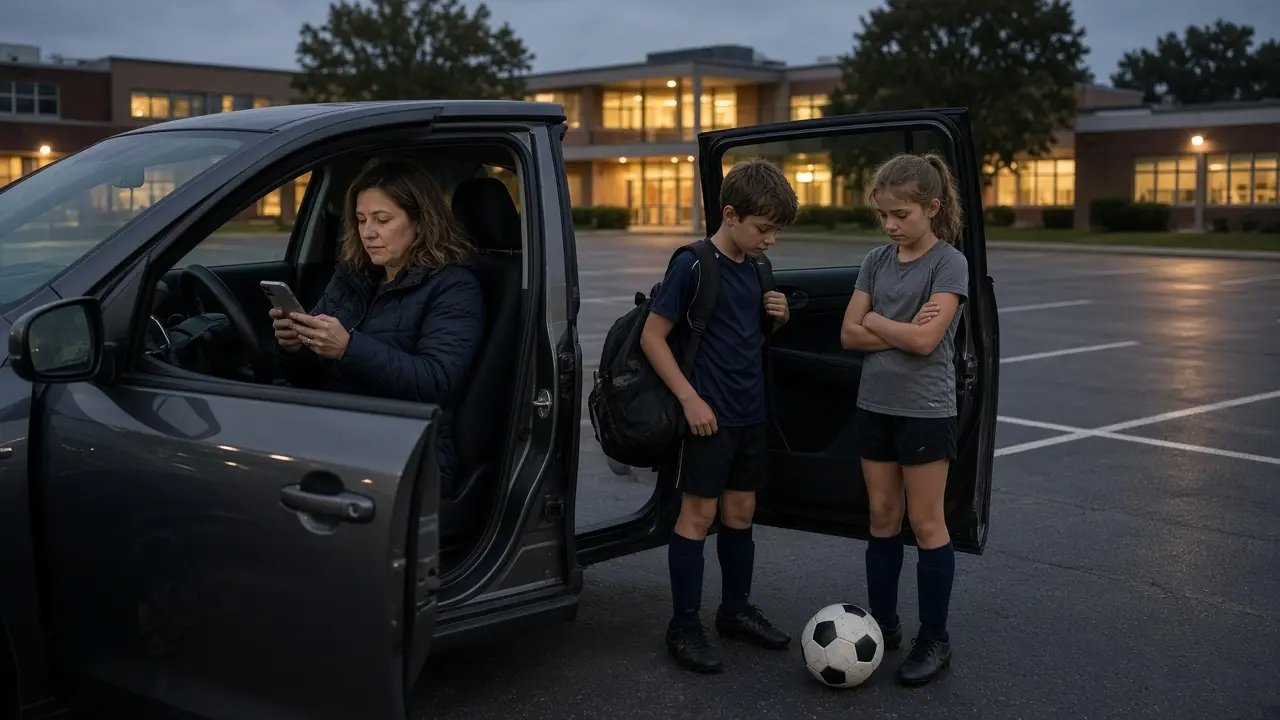
If you run a youth league, Monday’s schedule survives until the first coach hits send on Tuesday. That week-ahead schedule named the practice, the door, and the coach. A group text that names a different gym does not feel like a conflict to the parent who reads the text last. It feels like the update. The parking lot is where they find out it was not.
This is the same failure as a Friday schedule change that never replaced the old field. The channel is different. The damage is the same. A Saturday arrival can still be right and Tuesday can still be wrong, because weeknight parents are reading a thread, not the gate note from the weekend.
A Dallas soccer coach and a Houston volleyball coach will both try to be helpful. “We’re on the far court” is useful when the schedule already says far court. It is a second schedule when the dashboard still says near court. Families will split. Half will trust the text because it is newer. Half will trust the app because the league told them to.
Why do Tuesday youth sports texts send families to the wrong place?
They send people to the wrong place when the text is newer than the schedule and the schedule was not updated to match.
Parents do not keep a changelog. They keep the last sentence they saw. If Chicago basketball moved from the auxiliary gym to the main gym in a thread, and the Monday schedule still shows the auxiliary gym, the family that opens the app in the car goes to the wrong door. The family that only has the text goes to the right one. The team is in two places, and both think they followed directions.
The coach is not trying to override the league. They are standing at a door that does not match what they were given, and they text the people they can see. That text reaches the people in the thread. It does not reach the referee, the other team, or the parent who muted the chat. The schedule is the copy those people still have. A screenshot of Monday’s schedule has the same problem. It was right when it was taken. It is not a live assignment. If Tuesday’s door changed at noon, the photo in the camera roll is the old door. Open the schedule before you leave, the same way Saturday families were told to throw out Thursday’s pin.
What should a Tuesday team message include?
The team, the time, the place, and the door, taken from the live schedule. If any of those changed, change the schedule first, then text.
A useful Tuesday line is short: 6:00 to 7:00, main gym, door by the cafeteria, same as the schedule. A useless line is “same as last week” or a pin from September. Boston tennis court numbers and Minneapolis hockey rink doors change often enough that “same as last week” is how people arrive at a rental that is not theirs. Point at the schedule. Do not retype a second version that can drift.
- Name the team so a two-sport parent knows which child the text is for.
- Repeat the start and the end from the schedule, not a new pair of times.
- If the place changed, say the schedule was updated, and do not leave the old place in the thread as the last word.
- Keep snack, jerseys, and weather in the thread. Keep the assignment on the schedule.
How is a group text different from the live schedule?
A group text is a conversation. The live schedule is the assignment. Conversations can disagree with each other. An assignment should not.
Threads drop people. A new family added on Tuesday’s roster is not in last month’s chat. A parent who left the thread after one too many memes still needs the practice. A Miami flag football coach can run a useful chat and still owe every family the same line in the league dashboard. The chat can say “bring water.” The dashboard says where water gets drunk.
What should coaches stop putting in the thread?
Stop putting a new field, a new time, or a new roster decision in the thread before it is on the schedule.
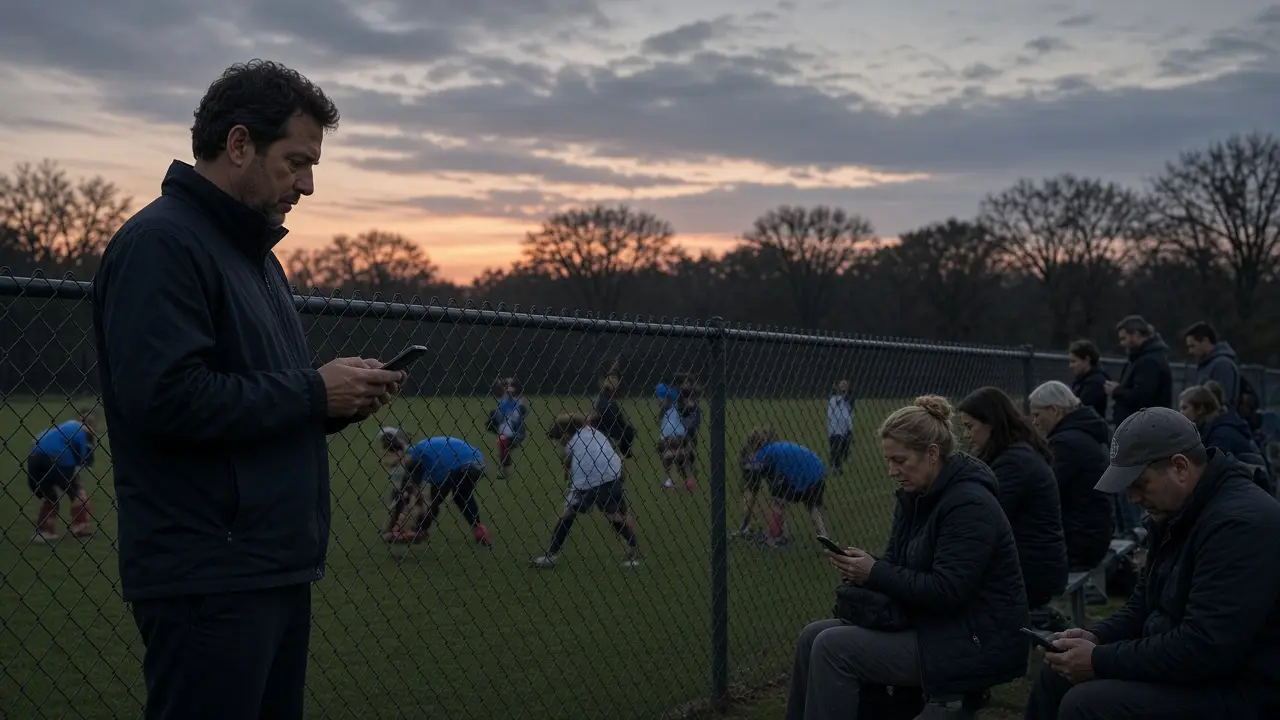
“Ignore the app, we’re on Field 4” is how a Seattle soccer team loses the families who did not ignore the app. Medical details, a child’s behavior, and another family’s payment do not belong in a group thread either. Those are director conversations. A Denver hockey dawn practice does not get clearer because twelve parents debated the ice in replies. One status, then silence, beats a thread that becomes the record. The referee, the other team, and the facility manager are not in that parent chat. A Baltimore lacrosse assignor cannot see “we moved to the side field.” If the move is real, it has to be where those people already look. If it is not real, delete the impression that it is by putting the original assignment back in writing.
How should a director handle two versions of the same practice?
Pick the live schedule, update it if the coach is right, and send one correction. Do not leave both versions up.
If the coach discovered a locked door, the coach may be right and the schedule may be wrong. Fix the schedule, then text that the schedule is the correction. If the coach is guessing, put the original assignment back in the thread so the last message matches the dashboard. New York basketball and Charlotte basketball families will follow whichever sentence arrived last. Make that sentence the same one the director would read out loud. Coaches Pick keeps the practice and the message in one place so the thread is not a second league. Pricing stays free for league owners.
Do two-sport families need two Tuesday threads?
They may be in two threads. They still need two schedule lines. A chat is not a shared calendar.
One household can have flag at 5:30 and volleyball at 7:00. Those threads will both say “see you tonight” and mean different doors. The parent should not have to scroll to learn which child is which. Phoenix pickleball and Tampa soccer on the same evening are two assignments. Put both on the schedule they already open for Monday’s week. A thread can remind them. It should not be the only place the second practice exists. Carpools fail the same way. “Who can take Maya?” in a chat is a private plan, not a league assignment. The practice time on the schedule is what the other household should trust. If five parents reply with five versions of the pickup, the child still needs one door and one end time. Keep the ride in the thread if you want. Keep the practice where both families can see it without joining the chat.
What should parents do when the text and the schedule disagree?
Follow the live schedule, and tell the coach you did. Ask them to update it if the text is the real plan.
Do not pick the version that is more convenient. A Los Angeles soccer field and an Orlando baseball cage can both look plausible from the parking lot. The other team, the referee, and the director are using the schedule. If you drive to the text and they drive to the schedule, nobody gets a practice. Reply once: “The schedule still says door B. We are going there unless it changes.” That is more useful than a string of guesses.
What should a director check before Tuesday practice?
The last message families will read has to match the practice on the schedule. A helpful text that contradicts the dashboard is still a wrong address.
- Every Tuesday practice on the schedule matches what coaches were told to text.
- A changed gym or field was edited on the schedule before the thread announced it.
- New families are on the roster, not only added to someone’s phone.
- Coaches know the schedule wins when the thread and the app disagree.
- A two-sport household can see both practices without opening two chats.
- Someone can correct the schedule if the door is locked, and that correction becomes the next text.
If those things are true, Tuesday is a reminder. Families leave work already knowing the door, and the coach is not rewriting the night from the sideline. If they are not, the league spends warmup reuniting a team that followed two maps. A Baltimore lacrosse turf slot is too short for that walk. Brands that want to be in the note families actually trust can sponsor a game. Directors can request a demo. Coaches Pick stays free for league owners.
Frequently asked questions
Should coaches run a separate group text for youth sports?
A team thread is fine for a reminder. It is not a second schedule. The message should name the practice and point at the live schedule. A new gym, time, or gate belongs on that schedule first.
What should a Tuesday practice text include?
The team, the start and end, the place, and the door or lot, copied from the live schedule. If something changed, say that it changed and link the schedule. Do not make families reconcile two versions.
What should parents do if the text and the schedule disagree?
Use the live schedule, then tell the coach which one you followed. A Tuesday text that moves the gym has to be written onto the schedule before it becomes the plan. Two versions split the team.
Is Coaches Pick free for league owners sending team messages?
Yes. Coaches Pick is free for league owners. Parents, coaches, and players see the same practice and the same roster, so a Tuesday text is a reminder of that schedule, not a replacement for it.
Need free youth league management software?
Coaches Pick is free for league owners. Registration, schedules, messaging, and portals for parents, coaches, referees, and kids — built for NFL FLAG and other youth sports programs that are adding teams.