League Operations
How Should Youth Leagues Handle Weather Cancellations?
A youth sports weather cancellation plan should name the decision-maker, identify safe shelter, update one official schedule, and tell families exactly what to do next. Separate a safety decision from a make-up date. A clear update time prevents silence from being mistaken for permission to return to the field.
· Coaches Pick · 6 min read
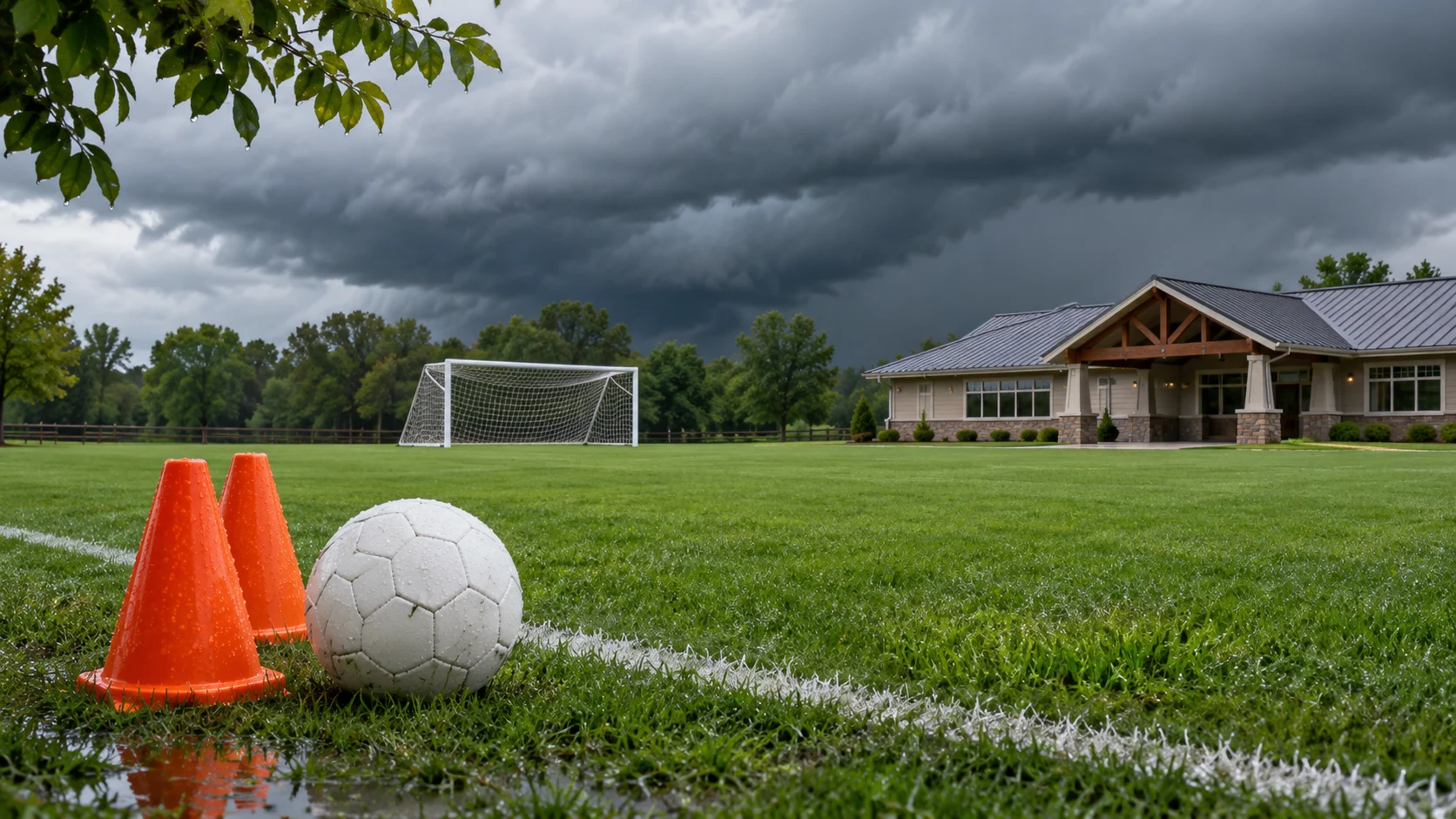
A youth sports weather cancellation plan should name the decision-maker, identify safe shelter, update one official schedule, and tell families exactly what to do next. Separate a safety decision from a make-up date. A clear update time prevents silence from being mistaken for permission to return to the field.
What should a youth sports cancellation message include?
A useful cancellation message identifies the affected activity, its current status, the location, and the next update. Tell families whether to stay home, remain in designated shelter, or wait for a replacement date. Put the same information on the official schedule before distributing it through the league’s usual channels.
Use plain status labels: delayed, canceled, or rescheduled. A delay does not promise a restart; a cancellation does not automatically create a make-up date. Include the calendar date and local time zone rather than writing only “today” or “later.” Screenshots can circulate long after a message is current.
An adaptable template is: “Weather update: [activity] at [venue] on [date] is [status]. [Required action]. Next update: [time and time zone], even if the status has not changed. Check [official schedule link] for the current decision.” Replace every bracket before sending. This is an example, not a report of an actual closure.
Who should decide whether games can continue?
Choose a named decision-maker and a backup before game day, then make their authority clear to coaches and families. Separate the safety decision from the job of sending updates. The person watching changing conditions needs time to do that work rather than also coaching, officiating, or answering every parent message.
The National Weather Service sports guidance recommends a written lightning plan and a designated weather monitor who is not the coach, umpire, or referee. Its advice also calls for accounting for the time everyone needs to reach safety. Follow the venue’s emergency plan and applicable governing-body rules; a messaging checklist does not replace either.
For the administrative handoff, record who approved the status change, who updated the schedule, and who notified officials. Give the backup access to the same process. Do not let a coach’s separate group chat silently override the official decision.
Where should families wait during a lightning delay?
Direct people to the safe shelters identified in the venue’s emergency plan, not simply to the nearest covered sideline. Explain those locations before play starts and consider how participants will reach them. If the site cannot provide a workable shelter plan, reassess the event rather than relying on last-minute instructions.
The CDC lightning safety guidance says tents, dugouts, picnic shelters, and other open structures do not protect people from lightning. It identifies enclosed buildings and hard-top vehicles with closed windows as suitable shelter options. A roof alone is not the same as a safe enclosed shelter.
Keep children’s supervision and pickup arrangements consistent with league policy. Send private family instructions directly, not in a public roster or comments thread. For accessibility needs, review the route to shelter in advance; ADA Support offers accessibility resources that can help frame a separate facility review. That review is not a substitute for emergency planning.
When should a league announce a restart?
Announce a restart only after the authorized person clears it under the safety plan and the venue confirms the playing area is usable. The next scheduled update is not a promised restart time. Tell families explicitly when the decision is still pending, and keep the original activity marked delayed until that decision changes.
The National Weather Service advises waiting at least 30 minutes after the last thunder before resuming outdoor activity. A new rumble resets that interval. This is a safety minimum, not a guarantee that a wet surface, damaged facility, travel route, or the remaining daylight makes the event suitable to resume.
Before announcing a new start, confirm that officials, coaches, and the facility are available. Do not compress warm-ups or move teams into another booked slot just to preserve the old timetable. The soccer field-change guide explains why one official location and kickoff record matters.
How should canceled games be rescheduled?
Treat a make-up game as a new scheduling decision rather than an automatic move to the next open-looking slot. Check the venue, opponents, officials, and participating teams before publishing a replacement. Keep the original canceled event visible with a clear reference to the replacement so families can understand what changed.
Our recommended workflow is to collect workable dates privately, confirm the slot with the facility, update the master schedule, and then send one final notice. If no date is confirmed, say “replacement date pending.” Avoid describing an option as booked while the venue is still deciding.
Indoor programs face a similar problem when a school closes or a gym becomes unavailable. The youth basketball gym-time guide covers shared-space planning. Use the same authoritative schedule for both routine fixtures and make-ups instead of maintaining a second calendar that families must discover.
How can a director check that the message reached everyone?
Check delivery through the channels your league actually uses and ask coaches to acknowledge the operational change. Pay particular attention to officials, volunteers, and families already traveling. Maintain one current schedule entry, but use more than one notification channel when needed; posting an update is not proof that every recipient received it.
Before the season, explain where authoritative updates appear and how families can correct contact details. After a disruption, review what failed: an outdated number, a broken link, an unclear field name, or an unanswered volunteer handoff. Fix the process rather than blaming a family for missing one notification.
This article’s communications workflow is editorial guidance from Coaches Pick, not a claim that a particular delivery feature is enabled in every account. Official safety sources were checked on November 16, 2026. Consult the current local forecast and your own emergency plan for the conditions at an actual event.
What else should league directors know?
A reliable weather workflow keeps decisions, updates, and replacement dates separate. Use the questions below to review your league’s communications process before the next disruption. Keep the answers consistent across the schedule and parent notices, and revisit the process when staff or facilities change.
Does a delayed game have a confirmed restart time?
No. A delay means the activity is on hold while the authorized decision-maker evaluates the situation. The next update time tells families when they will hear more, not when play will resume. Publish a restart only after the safety and venue checks are complete.
Should a cancellation message include an unconfirmed make-up date?
No. Label a proposed date as tentative or say that the replacement date is pending. Confirm the venue, teams, and officials before publishing a new fixture. Preserve the original cancellation in the schedule so families can distinguish the canceled event from its replacement.
What should the league retain after a weather disruption?
Keep the final event status, the time of each official update, the person who approved it, and the confirmed replacement details if there are any. Store records according to league policy and protect personal contact information. These records help volunteers understand decisions without relying on scattered messages.
Need free youth league management software?
Coaches Pick offers free league management tools for organizing registration, schedules, and communications. Explore the platform to see how it fits your program’s workflow, then keep emergency decisions governed by your venue’s safety plan. Software supports a clear process; it does not replace the people responsible for safety.