League Operations
Youth Sports Gym Accessibility: A Game-Day Walkthrough
Before game day, walk the route from parking or drop-off to the gym, spectator seating and restrooms. Check it with tables and queues in place, not just in an empty building. Confirm which doors will be open, name a contact for access questions, and give families one set of verified directions.
· Coaches Pick · 4 min read
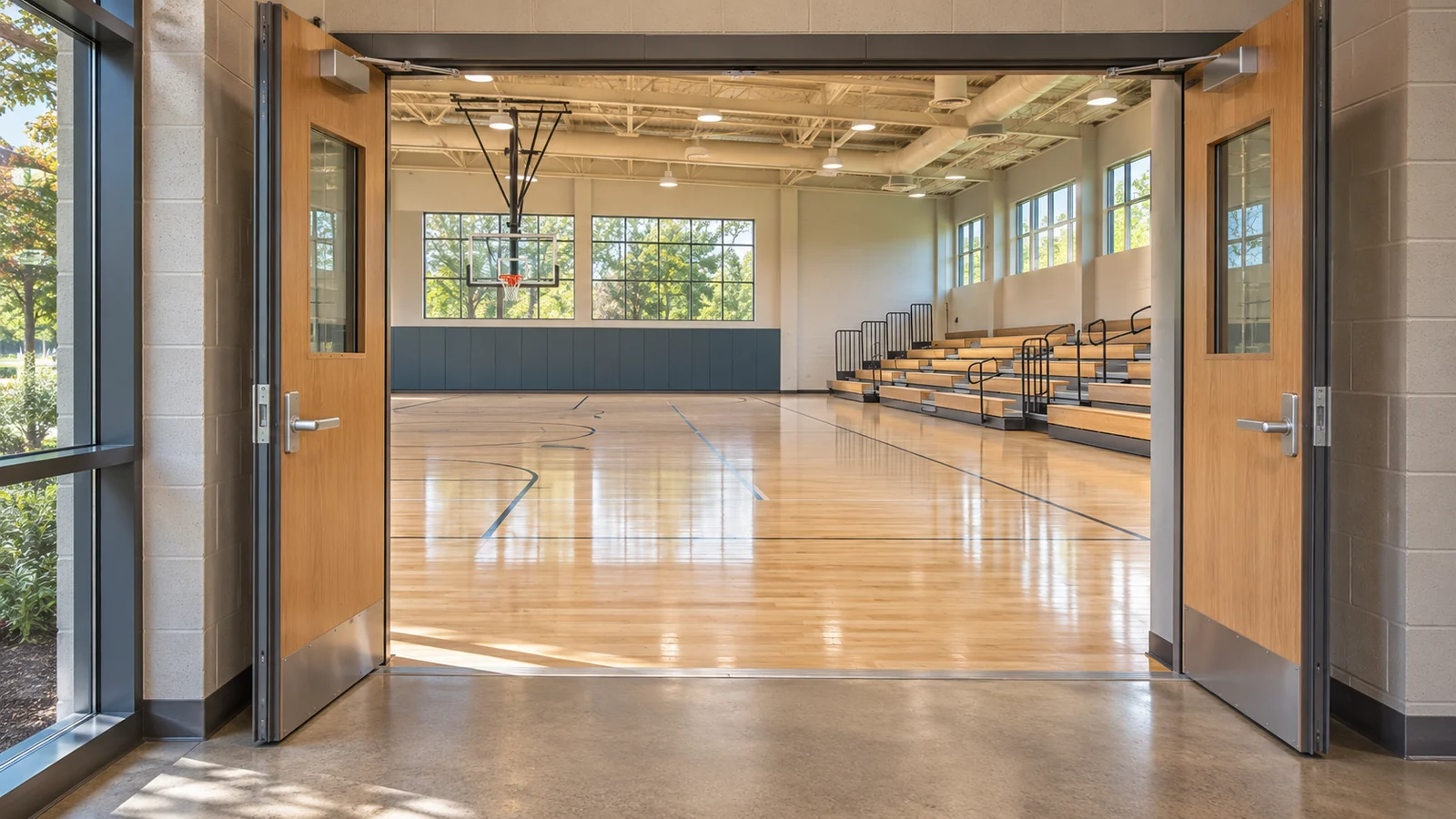
Before game day, walk the route from parking or drop-off to the gym, spectator seating and restrooms. Check it with tables and queues in place, not just in an empty building. Confirm which doors will be open, name a contact for access questions, and give families one set of verified directions.
What should you check before families arrive?
Start in the parking or drop-off area and walk all the way to the gym as a first-time visitor would. Check whether the planned entrance is open, the route stays clear, and spectators can reach seating and restrooms. Ask the venue who can fix a problem before doors open.
Check the same doors you intend to list in the family message. Photo-day directions and weekday practice directions may name a different entrance. Ask the venue staff which entrances and restrooms are available during your actual reservation, not just during staffed business hours. The Department of Justice’s accessibility standards guidance explains why the route to spectator seating matters.
How do you keep check-in from blocking the route?
Walk the planned layout with the table, chairs, and queue in place. Put check-in where families can find it without lining up across a doorway, ramp, aisle, or restroom approach. Assign a volunteer to watch the queue and move it if the crowd spills into a route people need.
Picture the busiest five minutes between games. A check-in table that is easy to pass when nobody is waiting can become a bottleneck once families stop to ask questions. Make sure the volunteer can point people toward the spectator area without asking them to cross the court or squeeze past a line. Use the volunteer shift handoff guide to record who is responsible if the layout needs to change.
What should you look for near seating and restrooms?
Verify that families can reach the venue’s designated spectator spaces and restrooms during the event. Look for temporary obstacles such as folded bleachers, spare chairs, equipment bags, and locked doors. Ask the venue to show you the locations it has designated rather than improvising a spot in a circulation aisle.
Look from the actual spectator space toward the court. An empty gym can make a spot look usable until the scorer’s table, banners, or standing spectators get in the way. Keep that area clear and confirm what seating the venue provides for companions. The Justice Department’s state and local government primer is a starting point for public facilities. This game-day walkthrough is not an accessibility inspection or a determination of legal compliance.
What should families know before game day?
Send one short note with the confirmed entrance, drop-off location, spectator route, and a monitored contact for questions. Use a landmark families can recognize at the venue. If a door or route changes, update the same schedule entry and tell the volunteers on duty before sending the notice.
For example: “Use the east entrance next to the covered drop-off. Check in at the table inside, then follow the hall to the gym. Reply to this league message if you need help planning your visit.” Use only directions that your venue has confirmed. If a family raises an individual access need, coordinate through the league’s approved contact process rather than discussing personal details in a team-wide thread.
What do you do if the planned route is blocked?
Tell the venue contact what is blocked and where. If the venue confirms a usable alternative, give families the updated directions and put a volunteer at the confusing turn. If you cannot verify an alternative, escalate to the organizer and explain what is still unresolved rather than promising access you have not checked.
Record which entrance or path was affected, who checked it, and who owns the next step. A note that says “side entrance fixed” will not help the next shift if there are three side doors. After the event, keep the confirmed directions with the facility booking. The basketball gym-time guide covers the separate job of confirming shared reservations and court access.
Frequently asked questions
What should you check before families arrive?
Start in the parking or drop-off area and walk all the way to the gym as a first-time visitor would. Check whether the planned entrance is open, the route stays clear, and spectators can reach seating and restrooms. Ask the venue who can fix a problem before doors open.
How do you keep check-in from blocking the route?
Walk the planned layout with the table, chairs, and queue in place. Put check-in where families can find it without lining up across a doorway, ramp, aisle, or restroom approach. Assign a volunteer to watch the queue and move it if the crowd spills into a route people need.
What should you look for near seating and restrooms?
Verify that families can reach the venue’s designated spectator spaces and restrooms during the event. Look for temporary obstacles such as folded bleachers, spare chairs, equipment bags, and locked doors. Ask the venue to show you the locations it has designated rather than improvising a spot in a circulation aisle.
What should families know before game day?
Send one short note with the confirmed entrance, drop-off location, spectator route, and a monitored contact for questions. Use a landmark families can recognize at the venue. If a door or route changes, update the same schedule entry and tell the volunteers on duty before sending the notice.
What do you do if the planned route is blocked?
Tell the venue contact what is blocked and where. If the venue confirms a usable alternative, give families the updated directions and put a volunteer at the confusing turn. If you cannot verify an alternative, escalate to the organizer and explain what is still unresolved rather than promising access you have not checked.
Need free youth league management software?
Coaches Pick is free for league owners. Registration, schedules, messaging, and portals for parents, coaches, referees, and kids — built for NFL FLAG and other youth sports programs that are adding teams.